The Press
Ultraviolet Press exists to restore language to lived experience.
There are things people feel clearly but are rarely given words for—subtle shifts, moments of mismatch, the quiet knowing that something is happening inside them. Too often, those experiences are softened, redirected, or explained away.
We make books that do something different. We name what is already true.
Not to teach or correct, but to recognize.
When an experience is named accurately, something settles. A person can feel: this makes sense. I am still intact. This is true for children, who are meeting these experiences for the first time. And it is true for adults, who may be meeting the same experiences again—this time with language.
The words do not belong to one age. They belong to the experience itself.
Each book is built as a place where that recognition can happen—through language, pacing, image, and attention. Nothing is rushed. Nothing is imposed.
The books are not instructions. They are companions.
They offer words for what is happening now, and space for a reader to meet themselves inside it.
This is the work—to return language to where it belongs.

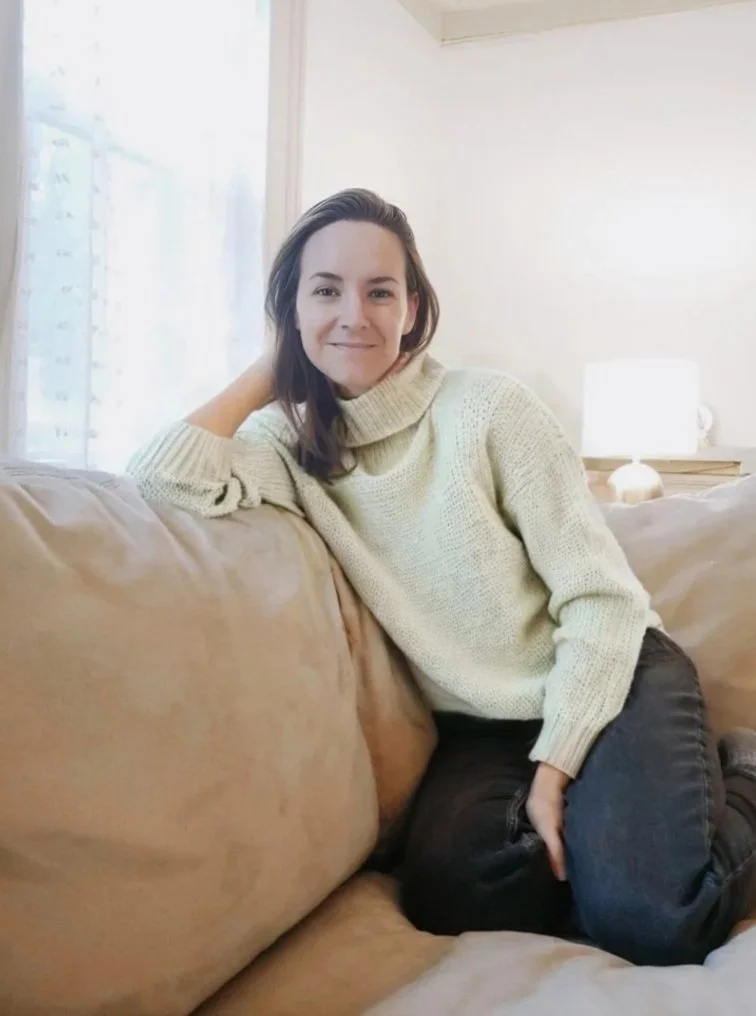
Adrienne Stiles
I came to this work looking for words.
Late identified as autistic, and alongside others on the same path, I was trying to understand experiences that were clear, but rarely named.
There were moments, patterns, and internal shifts that felt precise and real, but difficult to find reflected in language. Especially in books for children. I looked for stories that spoke directly to those experiences. Most softened them, redirected them, or left them unnamed.
So I kept looking.
That search has been ongoing for most of my life—an interest in the human experience, in what is felt but not always said, in the quiet accuracy of things that are often overlooked.
This work grows from that place. Not from having answers, but from staying with the question long enough for the language to emerge.
The books are part of that language.
They are an offering of words for experiences that already exist—so they can be recognized rather than corrected.